You Were Injured During a Game or Practice—And Now You’re Left With Questions
A routine practice in Greenville. A weekend travel tournament in Charleston. A Friday night football game in Columbia. Across South Carolina—from Myrtle Beach athletic complexes to community parks in Rock Hill—athletes suffer injuries that no one expected. What starts as competition can quickly become a serious medical situation, leaving you wondering whether you need a sports injury attorney or a personal injury lawyer to understand your options.
Sports injuries often happen in a split second. A missed tackle, unsafe playing surface, defective protective gear, or inadequate supervision can turn an ordinary drill into a significant injury event. In fast-growing areas like Mount Pleasant, Spartanburg County, or near recreational hubs along I-26 and I-85, organized leagues operate year-round. While some physical contact is inherent in athletics, not every injury is simply part of assumed risk.
South Carolina law recognizes that participants accept certain dangers when stepping onto the field. However, there is a meaningful distinction between ordinary athletic risk and preventable harm. When coaches ignore concussion protocols, facilities fail to maintain safe conditions, or event organizers overlook safety guidelines at tournaments near Hilton Head or Florence, questions about legal responsibility may arise. That is often when speaking with a sports injury attorney becomes important.
Confusion about fault is common in these cases. Multiple parties—schools, private leagues, municipalities, equipment manufacturers, or property owners—may be involved. Waivers and insurance policies can add another layer of uncertainty. A knowledgeable personal injury lawyer can help clarify whether your injury was an unavoidable accident or something that may warrant action under South Carolina law. At McDougall LawFirm, LLC, injured athletes and families receive thoughtful guidance grounded in experience and a clear understanding of how sports-related injury claims are evaluated. If you were hurt during a game or practice, you do not have to sort through these questions alone.
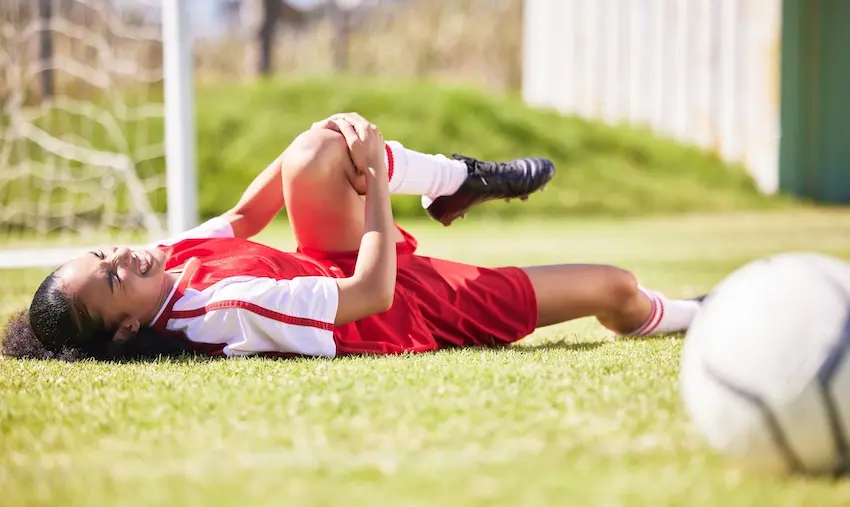
Not Every Sports Injury Automatically Means You Have a Case
After an injury during a game or practice, it’s natural to wonder whether someone should be held responsible. However, not every incident on a field or court automatically leads to a valid claim. South Carolina law recognizes that sports involve inherent risks, and understanding that principle is an important first step before contacting a sports injury attorney or personal injury lawyer.
Athletes generally accept certain dangers when they voluntarily participate in contact sports, recreational leagues, or competitive tournaments. This concept—often referred to as assumed risk—means that injuries resulting from normal gameplay may not create legal liability. A hard tackle in football, a collision at home plate in baseball, or a fall during a basketball rebound may fall within the expected scope of athletic participation.
Participation can also limit your legal options when waiver forms are signed before joining a league or tournament. Schools, private sports organizations, and recreational programs frequently use participation agreements designed to outline these risks. While those documents do not eliminate every possible claim, they can affect how a sports injury attorney evaluates whether negligence occurred.
That said, assumed risk does not excuse reckless or preventable conduct. When a coach ignores known safety hazards, an organization fails to enforce concussion protocols, or equipment is improperly maintained, the situation may extend beyond ordinary play. In those cases, a personal injury lawyer can assess whether the injury resulted from negligence rather than accepted athletic risk under South Carolina law.
You May Have a Claim If Someone Failed to Act Responsibly
While many sports injuries fall within accepted athletic risk, some occur because a person or organization failed to act responsibly. When that happens, the situation may extend beyond routine competition and raise important questions under South Carolina law. Understanding that distinction is often where a consultation with a sports injury attorney or personal injury lawyer becomes valuable.
Certain circumstances suggest that an injury was preventable rather than unavoidable.
Unsafe Facilities or Poorly Maintained Equipment
Athletic programs—whether operated by schools, private leagues, or recreational associations—have a responsibility to maintain reasonably safe conditions. Problems may include:
- Uneven turf or unmarked hazards on playing fields
- Broken bleachers or unsecured goalposts
- Defective helmets, padding, or protective gear
- Inadequate lighting during evening practices or tournaments
When facility operators or equipment providers fail to address known safety risks, an injury may involve legal negligence rather than assumed risk. A knowledgeable sports injury attorney can evaluate whether maintenance failures contributed to the harm.
Negligent Supervision, Coaching, or Event Management
Coaches and event organizers play a critical role in athlete safety. Warning signs may include:
- Ignoring concussion symptoms or return-to-play guidelines
- Failing to provide adequate adult supervision
- Allowing unsafe drills or improper training techniques
- Overlooking heat-related safety precautions during outdoor events
In these situations, the issue is not the sport itself but the way it was managed. A personal injury lawyer can assess whether poor oversight created avoidable danger under applicable law.
Reckless Conduct Beyond Normal Game Play
Sports naturally involve competition and contact. However, behavior that goes far beyond the accepted rules—such as intentional violence or knowingly dangerous actions—may cross into actionable misconduct. When conduct exceeds what participants reasonably expect, the injury may no longer be protected by assumed risk principles.
Liability Can Extend Beyond Other Players
When an injury happens during a game or practice, it is common to focus only on the other athlete involved. However, responsibility under the law does not always stop with one participant. In many sports-related injury cases, broader safety failures may have contributed to what occurred. Determining who may be accountable often requires a deeper review than the events that happened on the field.
Schools, leagues, and private athletic organizations typically have a duty to implement and enforce reasonable safety standards. This can include proper supervision, adherence to concussion protocols, safe training practices, and maintenance of facilities. When oversight breaks down or known risks are ignored, the situation may involve more than routine competition. In those cases, a sports injury attorney can evaluate whether negligent management created avoidable harm under established legal principles.
Responsibility can also extend to property owners or event organizers if unsafe premises contributed to the injury. Hazardous surfaces, defective structures, or inadequate safety planning may shift the analysis beyond player conduct. A knowledgeable personal injury lawyer can assess whether those conditions violated applicable law and whether compensation may be pursued. In some circumstances, equipment failure plays a role. Helmets, padding, or other protective gear that malfunction during normal use may raise product-related concerns. When design or manufacturing defects are involved, the focus turns to broader safety obligations and product liability law, rather than gameplay itself.
You Signed a Waiver—But That Doesn’t Always End the Conversation
After a sports injury, many athletes or parents immediately remember signing a waiver and assume that ends any possibility of recovery. While participation agreements and liability releases are common in athletic programs, they do not automatically eliminate your rights under the law. Understanding how these documents are interpreted is often the first step in determining whether speaking with a sports injury attorney makes sense.
Waivers are generally designed to acknowledge the inherent risks of sports participation. Courts often review whether the language clearly explains the dangers involved and whether the signer voluntarily accepted those risks. However, broad language does not give organizations unlimited protection. A personal injury lawyer can analyze whether the document actually covers the type of harm that occurred or whether it overreaches beyond what is enforceable under legal standards.
In some cases, waivers may be challenged if they are vague, misleading, improperly presented, or signed on behalf of a minor without proper authority. Contracts that attempt to excuse reckless conduct or gross negligence may not hold up when examined closely. The enforceability of a release frequently turns on the specific wording, formatting, and circumstances surrounding its execution. That is why careful contract review is essential before assuming a claim is barred.
The exact language of a waiver can significantly affect the outcome of a case. Small distinctions—such as whether the document addresses ordinary negligence versus intentional misconduct—can influence how the law applies. An experienced sports injury attorney can evaluate these nuances and determine whether the waiver truly limits recovery or whether your legal options remain intact.

The Injury Affected More Than the Game—It Affected Your Future
A serious sports injury rarely ends when the final whistle blows. What begins as a moment on the field can quickly evolve into mounting medical bills, missed work, and uncertainty about long-term recovery. When financial pressure follows physical harm, understanding your rights under the law becomes just as important as your medical treatment. This is often when guidance from a sports injury attorney or personal injury lawyer becomes part of the conversation.
Medical expenses can accumulate quickly. Emergency care, orthopedic evaluations, imaging studies, surgical procedures, and physical therapy sessions often extend far beyond the initial incident. Ongoing rehabilitation, pain management, and follow-up appointments may continue for months. For families navigating complex treatment plans, the financial strain can feel overwhelming. A knowledgeable sports injury attorney can evaluate whether those costs may be recoverable under applicable legal principles.
Lost income is another concern. Adult athletes may miss work while recovering, and students or scholarship athletes may face disruptions that affect future opportunities. In some cases, the injury alters a career path entirely. A personal injury lawyer can assess how lost wages, diminished earning capacity, or reduced athletic prospects factor into a claim under the law.
Long-term limitations also deserve attention. Ligament damage, joint instability, traumatic brain injuries, or spinal conditions can create ongoing physical challenges. These lasting effects may influence employment options, daily activities, and overall quality of life. Evaluating the full impact of an injury requires looking beyond short-term expenses and considering future consequences through a comprehensive legal lens.
You Were Hurt—Now the Steps You Take Can Protect Your Rights
When a sports injury may have been caused by negligence rather than ordinary play, your next decisions matter. Acting thoughtfully can protect both your health and your position under the law. If you later speak with a sports injury attorney or personal injury lawyer, the steps you take early can significantly strengthen your case. At McDougall LawFirm, LLC, clients are guided through these early actions with clarity and confidence.
Seek Prompt Medical Attention
Your first priority should always be your health. Even if symptoms appear manageable, an immediate medical evaluation creates a documented record of what occurred and how the injury presented. Emergency room visits, orthopedic assessments, imaging scans, and follow-up care all form part of the factual foundation reviewed in a potential legal claim.
A sports injury attorney will often examine early medical documentation to connect the injury directly to the incident. Delays in treatment can create questions that insurers may later raise. A personal injury lawyer can explain how consistent medical care supports your position under the law and prevents unnecessary disputes.
Preserve Evidence and Document Conditions
Conditions at the scene may change quickly. If unsafe turf, broken equipment, poor lighting, or lack of supervision contributed to the injury, documenting those factors can be critical. Photographs, incident reports, team communications, and witness contact information all serve as supporting evidence. When you consult a sports injury attorney, this documentation allows for a more thorough evaluation of responsibility. A personal injury lawyer can use preserved evidence to assess whether negligence occurred and how the legal framework applies to your situation.
Avoid Statements That Could Harm Your Claim
After an injury, it is common for organizations or insurers to request statements. While cooperation is important, speculative or incomplete explanations can unintentionally weaken a claim. Before providing recorded statements or signing additional documents, consider speaking with a sports injury attorney. A qualified personal injury lawyer can advise you on how to communicate in a way that protects your legal rights. Even casual comments made shortly after an incident can be misinterpreted later. Acting carefully from the beginning helps ensure that your position under the law remains strong.
Your Case Deserves a Careful and Strategic Review
After a serious sports injury, one of the most important questions is whether the harm resulted from ordinary athletic risk or preventable negligence. That evaluation requires more than assumptions—it requires structured analysis grounded in the law. At McDougall LawFirm, LLC, every matter is examined with precision so injured athletes receive guidance from an experienced sports injury attorney and a trusted personal injury lawyer.
The first step is determining whether negligence occurred. A sports injury attorney reviews the circumstances surrounding the incident, including supervision, safety procedures, equipment conditions, and compliance with established standards. The goal is to identify whether a responsible party failed to meet a duty of care recognized under legal principles. A knowledgeable personal injury lawyer distinguishes between inherent risks of participation and conduct that exceeds what athletes reasonably expect.
Next comes a deeper investigation into safety protocols and oversight. This may involve reviewing organizational policies, training procedures, maintenance records, and incident documentation. A skilled sports injury attorney evaluates whether coaches, administrators, property operators, or equipment providers followed appropriate precautions. That investigation allows a personal injury lawyer to assess liability within a clear legal framework supported by evidence rather than speculation.
Finally, a comprehensive review includes calculating damages based on long-term impact. Medical expenses, rehabilitation needs, lost income, diminished earning potential, and reduced athletic opportunity are all considered. A seasoned sports injury attorney works alongside a personal injury lawyer to quantify these losses accurately under the law, ensuring that both current and future consequences are properly evaluated.

You Deserve a Team That Helps You Move Forward With Confidence
A serious sports injury can affect far more than a single game. From youth tournaments in Greenville County to school competitions in Charleston and community leagues near Myrtle Beach, families across South Carolina are often left wondering what to do next. Understanding your rights under the law is an important first step. At McDougall LawFirm, LLC, injured athletes receive strategic guidance from an experienced sports injury attorney and dedicated personal injury lawyer.
Every case begins with a careful evaluation of medical records, incident reports, safety protocols, and waiver language. A knowledgeable sports injury attorney analyzes whether preventable negligence occurred and how established law applies to the facts. A trusted personal injury lawyer then develops a strategy designed to address medical expenses, lost income, and long-term impact.
When schools, leagues, property owners, or insurers resist accountability, strong advocacy matters. A skilled sports injury attorney stands firm, presenting evidence clearly and persuasively within the framework of the law. The goal is fair compensation that reflects the true consequences of the injury. If you are looking for a personal injury lawyer or sports injury attorney who understands South Carolina law and prioritizes your future, contact McDougall LawFirm, LLC today to discuss your legal options and take the next step forward at 843-438-4386.